
Jazz Albums Worth Owning: Our Recommended Buys
Every album here comes from one of our best-of lists, from the best jazz albums for beginners to the greatest big band albums. Filter by style or lead instrument, and each card names the track to play first.


Most albums are linked to Amazon. Buying through these links helps keep Jazzfuel going, at no extra cost to you. As an Amazon Associate, Jazzfuel earns from qualifying purchases. Thank you for your support!
Our pick of the records worth owning, drawn from Jazzfuel’s best-of lists. Every card names the track to play first.
Showing 104 albums
Kind of Blue
Play first: ‘So What’
The 1959 sextet with Coltrane, Cannonball and Bill Evans. Slow, spacious and the best-selling jazz record of all.

Time Out
Play first: ‘Take Five’
Paul Desmond wrote ‘Take Five’ in 5/4 time and it became a radio hit. The tunes are easy to hum.
Getz/Gilberto
Play first: ‘The Girl from Ipanema’
Soft bossa nova with tunes by Antonio Carlos Jobim, who plays piano. Astrud Gilberto sings ‘Ipanema’.
Somethin’ Else
Play first: ‘Autumn Leaves’
Miles Davis turns up as a sideman, playing muted trumpet. It’s bluesy, relaxed hard bop from 1958.
Ella and Louis
Play first: ‘Cheek to Cheek’
Two great singers trade verses on songs you probably know, backed by the Oscar Peterson Trio.

Moanin’
Play first: the title track
Pianist Bobby Timmons wrote the gospel-flavoured title track. Lee Morgan was 20 when he recorded it.
Saxophone Colossus
Play first: ‘St. Thomas’
‘St. Thomas’ is a calypso Rollins drew from his family’s Caribbean roots. Max Roach is on drums.

The Sidewinder
Play first: ‘The Sidewinder’
A boogaloo groove that became a surprise hit for Blue Note. Good for anyone who says they don’t like jazz.

Blue Train
Play first: ‘Blue Train’
Coltrane’s only album as leader for Blue Note, with Lee Morgan. Hear this before A Love Supreme.

A Night at Birdland
Play first: ‘Split Kick’
Live in a New York club in 1954, with Clifford Brown on trumpet. MC Pee Wee Marquette introduces the band.

Mingus Ah Um
Play first: ‘Better Git It in Your Soul’
Handclaps, shouts and gospel energy from the bassist’s band. ‘Goodbye Pork Pie Hat’ is his tribute to Lester Young.
Waltz for Debby
Play first: ‘Waltz for Debby’
Recorded live at the Village Vanguard in June 1961. Evans wrote the title tune for his young niece.

Sunday at the Village Vanguard
Play first: ‘Gloria’s Step’
From the same day as Waltz for Debby. Bassist Scott LaFaro died in a car crash 11 days later.

Night Train
Play first: ‘C Jam Blues’
Blues and swing with Ray Brown and Ed Thigpen. It closes with Peterson’s own ‘Hymn to Freedom’.

The Köln Concert
Play first: Part I
Improvised on the spot in 1975, on a worn-out piano that wasn’t the one he’d asked for.
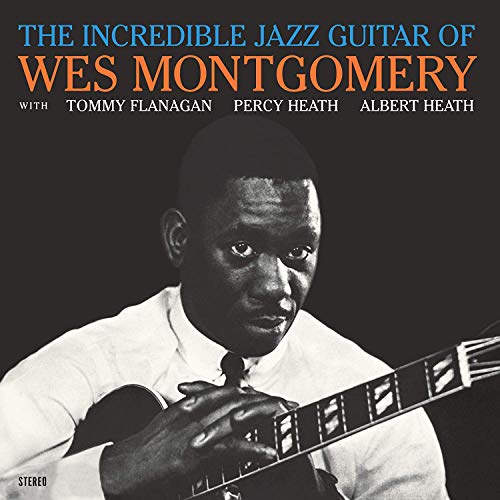
The Incredible Jazz Guitar
Play first: ‘West Coast Blues’
Wes played with his thumb instead of a pick, which gives that warm tone. A good pick if you come from blues or rock.

Maiden Voyage
Play first: ‘Maiden Voyage’
A 1965 Blue Note album about the sea. Then try ‘Dolphin Dance’.
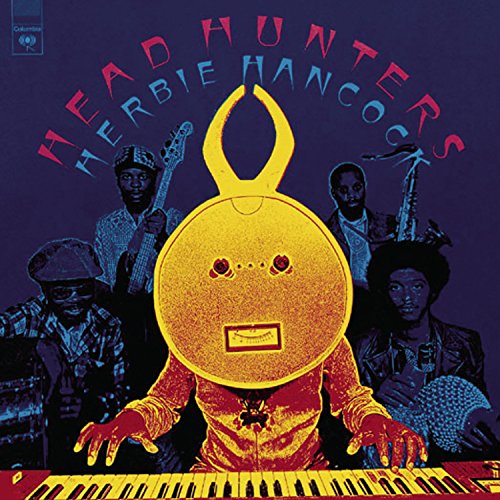
Head Hunters
Play first: ‘Chameleon’
Hancock’s 1973 move into funk, built on synth bass. A bridge for fans of funk and soul.

Black Radio
Play first: ‘Afro Blue’
Jazz meets R&B and hip-hop, with Erykah Badu on ‘Afro Blue’. It won the Grammy for Best R&B Album.

A Love Supreme
Play first: ‘Acknowledgement’
A four-part suite recorded in December 1964. Play it in order, from the opening bass line.

Relaxin’
Play first: ‘If I Were a Bell’
From the 1956 Prestige sessions that also produced Cookin’, Workin’ and Steamin’. Coltrane is on tenor.

Song for My Father
Play first: the title track
Silver’s father came from Cape Verde. Steely Dan borrowed the title track’s opening for ‘Rikki Don’t Lose That Number’.

Clifford Brown & Max Roach
Play first: ‘Joy Spring’
The quintet the New York Times called perhaps the definitive bop group. Brown died in a car crash in 1956, aged 25.

Ready for Freddie
Play first: ‘Birdlike’
A 1961 Blue Note date with Wayne Shorter on tenor, plus McCoy Tyner and Elvin Jones from Coltrane’s band.
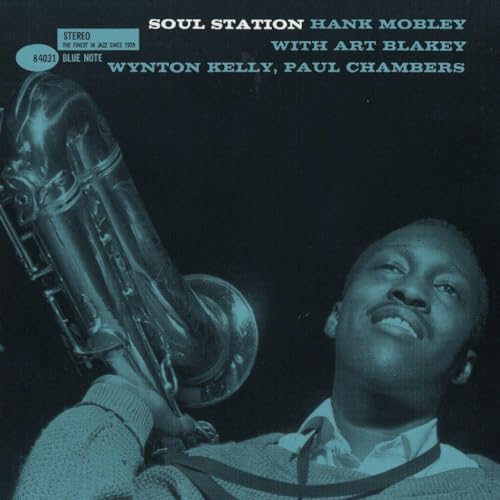
Soul Station
Play first: ‘This I Dig of You’
Mobley is the only horn, backed by Wynton Kelly, Paul Chambers and Art Blakey. A warm, relaxed tenor record.

Smokin’ at the Half Note
Play first: ‘Unit 7’
Wes with the trio from Miles Davis’s band: Wynton Kelly, Paul Chambers and Jimmy Cobb.
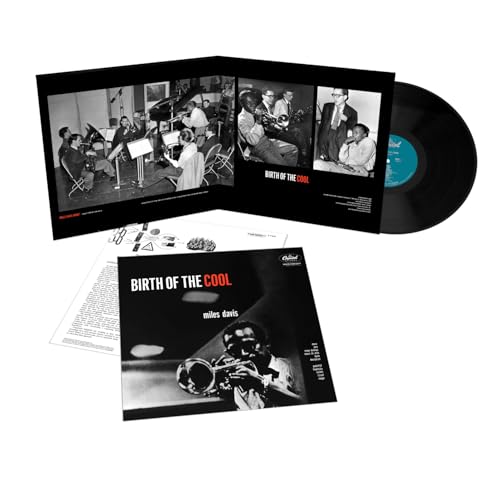
Birth of the Cool
Play first: ‘Boplicity’
A nonet from 1949 and 1950, with arrangements by Gil Evans, Gerry Mulligan and John Lewis. Capitol gave it this title in 1957.
Gerry Mulligan Quartet, Vol. 1
Play first: ‘Bernie’s Tune’
A quartet with no piano, recorded in Los Angeles in 1952. Mulligan’s baritone and Chet Baker’s trumpet weave around each other.
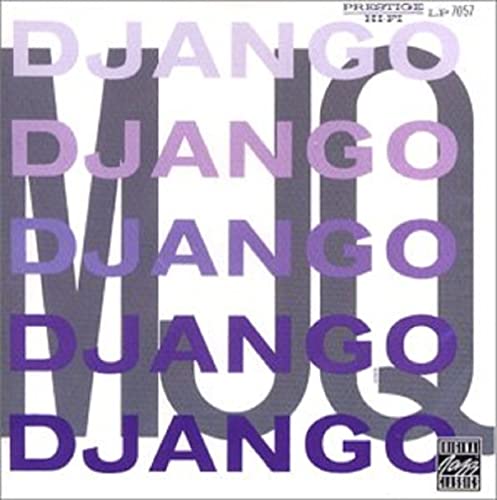
Django
Play first: ‘Django’
John Lewis wrote the title piece as an elegy for guitarist Django Reinhardt. Milt Jackson plays vibraphone.

Art Pepper Meets the Rhythm Section
Play first: ‘You’d Be So Nice to Come Home To’
Pepper recorded this in a single day in January 1957 with Miles Davis’s rhythm section: Red Garland, Paul Chambers and Philly Joe Jones.

Motion
Play first: ‘I’ll Remember April’
Konitz improvises on standards with just bass and drums. Elvin Jones is the drummer.

Chet Baker Sings
Play first: ‘My Funny Valentine’
Soft vocals and trumpet on standards, including his best-known version of ‘My Funny Valentine’.

At the Pershing: But Not for Me
Play first: ‘Poinciana’
Recorded live in a Chicago hotel lounge in 1958. Miles Davis loved how Jamal used space.
The Famous 1938 Carnegie Hall Jazz Concert
Play first: ‘Sing, Sing, Sing’
Goodman’s band played Carnegie Hall in January 1938, with Gene Krupa on drums. The recording wasn’t released until 1950.

Ellington at Newport
Play first: ‘Diminuendo and Crescendo in Blue’
Paul Gonsalves’s 27-chorus tenor solo got the 1956 Newport crowd on its feet and put Ellington on the cover of Time.

The Atomic Mr. Basie
Play first: ‘Li’l Darlin’’
Neal Hefti wrote and arranged every tune. ‘Li’l Darlin’’ is famously slow.

Out of the Cool
Play first: ‘La Nevada’
Evans leads his own orchestra on Impulse! in 1960, with long arrangements that build slowly.

The Quintessence
Play first: ‘The Quintessence’
Jones’s 1962 big-band album for Impulse!, long before he produced Thriller.

Presenting Thad Jones/Mel Lewis and the Jazz Orchestra
Play first: ‘Mean What You Say’
The band began as a Monday-night gig at the Village Vanguard in 1966. Its successor still plays there.

Sound Pieces
Play first: ‘Sound Piece for Jazz Orchestra’
The composer of ‘Stolen Moments’ plays soprano saxophone in front of a big band.

Live at Monterey!
Play first: ‘33 222 1 222’
Ellis’s band played in time signatures like 19/4. Recorded at the 1966 Monterey Jazz Festival.

Big Swing Face
Play first: ‘Big Swing Face’
Rich’s band live in Hollywood in 1967, mixing swing with pop covers like ‘Norwegian Wood’.

…And His Mother Called Him Bill
Play first: ‘Blood Count’
Ellington’s tribute to Billy Strayhorn, recorded months after Strayhorn died in 1967. It ends with Duke alone at the piano.

Consummation
Play first: ‘A Child Is Born’
Thad Jones’s ‘A Child Is Born’ first appeared here and went on to become a standard.

Let My Children Hear Music
Play first: ‘The Shoes of the Fisherman’s Wife Are Some Jive Ass Slippers’
Mingus’s 1972 album for a large orchestra, with arrangements by Sy Johnson and others.
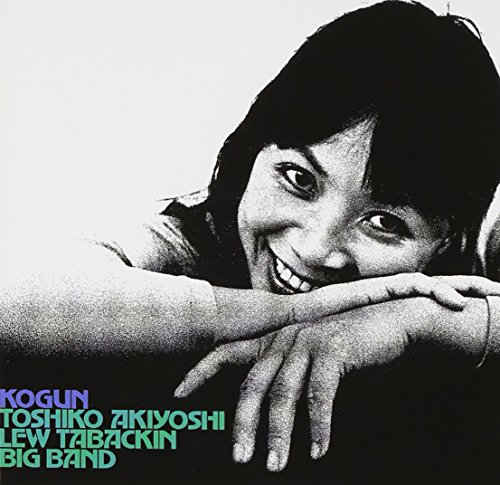
Kogun
Play first: ‘Kogun’
The title track was inspired by a Japanese soldier who kept fighting in the Philippine jungle until 1974.

Word of Mouth
Play first: ‘Liberty City’
Jaco’s big-band album, with Wayne Shorter, Herbie Hancock and harmonica player Toots Thielemans.
Music for Large & Small Ensembles
The Canadian-born, London-based trumpeter’s 1990 ECM album, written for big band and smaller groups.

Evanescence
Play first: ‘Evanescence’
Schneider’s 1994 debut, dedicated to Gil Evans, who she had worked for as an assistant.

What Goes Around
Play first: ‘What Goes Around’
The bassist’s first big-band album. It won the Grammy for Best Large Jazz Ensemble Album.
Infernal Machines
Play first: ‘Phobos’
Argue’s 2009 debut, which he called ‘steampunk big band’. It was nominated for a Grammy.

The Good Feeling
McBride’s first big-band album, on Mack Avenue. It won the Grammy for Best Large Jazz Ensemble Album.

Out of Sight and Sound
Often named as the first jazz-rock album. Coryell’s 1967 band mixed psychedelic rock songs with jazz soloing.

Bitches Brew
Play first: ‘Pharaoh’s Dance’
The 1970 double album that took Miles electric, with John McLaughlin, Chick Corea and Joe Zawinul.

Black Byrd
Play first: ‘Black Byrd’
Produced by Larry Mizell, it became Blue Note’s best-selling album at the time. Critics hated it.

Spectrum
Play first: ‘Stratus’
Cobham’s 1973 debut, with Tommy Bolin on guitar. Massive Attack sampled ‘Stratus’ for ‘Safe from Harm’.

Birds of Fire
Play first: ‘Birds of Fire’
John McLaughlin’s band with Jan Hammer, Jerry Goodman and Billy Cobham. Loud, fast and in odd time signatures.

Native Dancer
Play first: ‘Ponta de Areia’
Shorter with Brazilian singer Milton Nascimento and Herbie Hancock. Gentle and melodic.

Heavy Weather
Play first: ‘Birdland’
Joe Zawinul’s ‘Birdland’ made this the band’s best-selling album. Jaco Pastorius plays bass.

Romantic Warrior
Play first: ‘Medieval Overture’
Chick Corea’s band with Al Di Meola on guitar and Stanley Clarke on bass, at its most prog-rock.

First Circle
Play first: ‘First Circle’
The title track runs in 22/8, with handclaps marking the beat. Pedro Aznar sings wordless vocals.

Heavy Metal Be-Bop
Play first: ‘Some Skunk Funk’
Michael and Randy Brecker’s 1978 album, mostly recorded live, with Terry Bozzio on drums.

Jaco Pastorius
Play first: ‘Donna Lee’
His 1976 debut opens with Charlie Parker’s ‘Donna Lee’, played on fretless bass with only congas behind him.

The Shape of Jazz to Come
Play first: ‘Lonely Woman’
Coleman’s 1959 quartet with Don Cherry and no piano. ‘Lonely Woman’ is now a standard.

Free Jazz
Play first: ‘Free Jazz’
Two quartets improvising at once for nearly 40 minutes. The album gave the style its name.

Out to Lunch!
Play first: ‘Hat and Beard’
Dolphy with Freddie Hubbard, Bobby Hutcherson on vibes and drummer Tony Williams, who was 18.

Ascension
Play first: ‘Ascension (Edition II)’
Eleven musicians improvising together for about 40 minutes, including Pharoah Sanders and Freddie Hubbard.

Universal Consciousness
Play first: ‘Universal Consciousness’
Alice Coltrane on harp and organ, with a string section. Spiritual, swirling and often beautiful.

Unit Structures
Play first: ‘Steps’
Taylor’s first Blue Note album, with two bassists. Dense, percussive piano.

Spiritual Unity
Play first: ‘Ghosts: First Variation’
A trio with Gary Peacock and Sunny Murray. ‘Ghosts’ starts from a tune that sounds like a folk song.

Space Is the Place
Play first: ‘Space Is the Place’
Sun Ra and his Arkestra chant the title for over 20 minutes on the opening track.

3 Compositions of New Jazz
Braxton’s 1968 debut on Delmark, with Leroy Jenkins and Leo Smith from Chicago’s AACM.
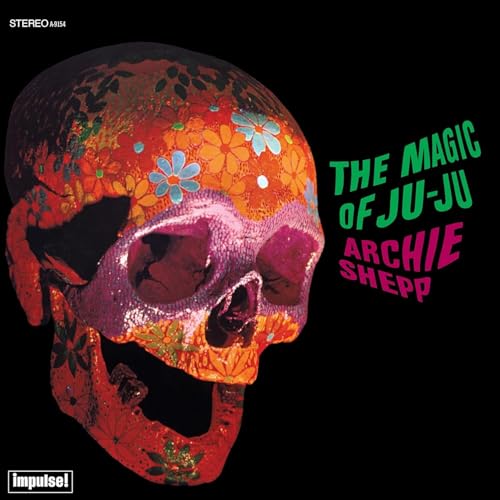
The Magic of Ju-Ju
Play first: ‘The Magic of Ju-Ju’
The title track runs about 18 minutes over a bank of hand percussion.
Nipples
Play first: ‘Nipples’
The German saxophonist with Evan Parker and guitarist Derek Bailey. Loud and relentless.

Jazz at Massey Hall
Play first: ‘Hot House’
Parker, Dizzy Gillespie, Bud Powell, Charles Mingus and Max Roach in Toronto, May 1953. Parker played a plastic Grafton alto.
Charlie Parker with Strings
Play first: ‘Just Friends’
Recorded for Norman Granz in 1949 and 1950. Parker often named ‘Just Friends’ as his favourite of his own records.
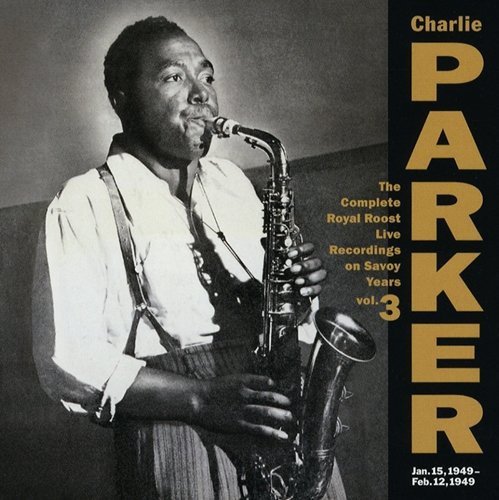
The Complete Royal Roost Live Recordings, Vol. 3
Parker live in full flight, from the club's radio broadcasts of 1948–49.

The Best of Charlie Parker
The cheapest way in: a single-disc selection from the Millennium Collection series.

Tales from the Hudson
Play first: ‘Song for Bilbao’
Brecker with Pat Metheny, McCoy Tyner, Dave Holland and Jack DeJohnette. It won two Grammys.
The Next Step
The guitarist’s 2001 quartet album with Mark Turner on tenor. Hugely influential on younger guitarists.
Little Girl Blue
Play first: ‘My Baby Just Cares for Me’
Her debut, recorded in 1957. ‘My Baby Just Cares for Me’ became a UK hit 30 years later after a Chanel No. 5 advert.
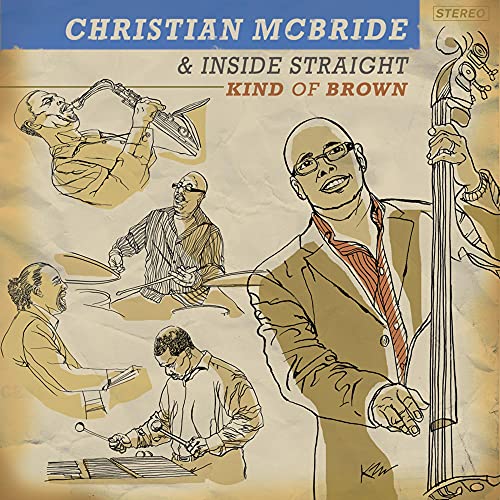
Kind of Brown
McBride’s acoustic quintet, with Warren Wolf on vibes and Steve Wilson on saxophones.
I Put a Spell on You
Play first: ‘Feeling Good’
Her 1965 album for Philips. ‘Feeling Good’ comes from the stage musical The Roar of the Greasepaint.

Common Ground
The vibraphonist with Julian Lage on guitar, Scott Colley on bass and Antonio Sanchez on drums.
Pastel Blues
Play first: ‘Sinnerman’
A 1965 blues album that ends with a ten-minute ‘Sinnerman’, built from an old spiritual.

Seeds from the Underground
The alto saxophonist, who played with Miles Davis in the late 1980s, pays tribute to the people who shaped him.
Wild Is the Wind
Play first: ‘Four Women’
Includes her own ‘Four Women’. David Bowie covered the title song in 1976 after hearing her version.
Panama 500
The Panamanian pianist marks 500 years since Balboa crossed Panama to the Pacific, mixing his trio with strings and folk rhythms.

Dreams and Daggers
Mostly recorded live at the Village Vanguard. It won the Grammy for Best Jazz Vocal Album.

Love Hurts
Play first: ‘Love Hurts’
Lage’s guitar trio with Jorge Roeder and Dave King. The title song is the ballad the Everly Brothers recorded.

Future Stride
Pianist Cohen updates the Harlem stride style of James P. Johnson and Fats Waller.
In the Wee Small Hours
Play first: the title song
Late-night ballads arranged by Nelson Riddle in 1955, one of the first LPs built around a single mood.
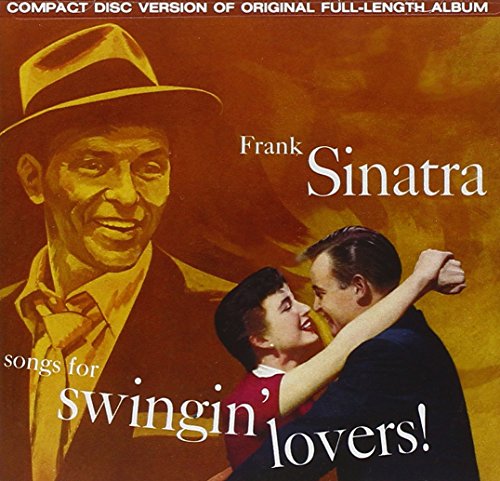
Songs for Swingin’ Lovers!
Play first: ‘I’ve Got You Under My Skin’
Nelson Riddle’s up-tempo charts from 1956. Milt Bernhart plays the trombone solo on ‘Under My Skin’.

Sinatra at the Sands
Play first: ‘Fly Me to the Moon’
Live in Las Vegas in 1966 with the Count Basie Orchestra, arranged and conducted by Quincy Jones.

Francis Albert Sinatra & Antonio Carlos Jobim
Play first: ‘The Girl from Ipanema’
Bossa nova from 1967, with Jobim on guitar and voice and arrangements by Claus Ogerman.

The Hot Fives and Sevens
Play first: ‘West End Blues’
His 1925–28 small-group records for OKeh. ‘West End Blues’ opens with a solo trumpet cadenza players still study.
Louis Armstrong Plays W.C. Handy
Play first: ‘St. Louis Blues’
Armstrong’s All Stars play the blues of W.C. Handy. Produced by George Avakian for Columbia in 1954.
Satch Plays Fats
Play first: ‘Ain’t Misbehavin’’
The 1955 follow-up to the Handy album: songs by Fats Waller, whose ‘Ain’t Misbehavin’’ Armstrong had sung on Broadway in 1929.

Jazz at Oberlin
Play first: ‘Perdido’
Recorded at Oberlin College, Ohio, in March 1953. It helped start Brubeck’s run of campus concerts.
Time Further Out
Play first: ‘Unsquare Dance’
The 1961 follow-up to Time Out, with more odd time signatures. ‘Unsquare Dance’ is in 7/4.

Chet Baker Sings and Plays
Play first: ‘Let’s Get Lost’
A 1955 Pacific Jazz album. ‘Let’s Get Lost’ later gave its name to Bruce Weber’s 1988 film about him.

Money Jungle
Play first: ‘Fleurette Africaine’
A 1962 trio date with Charles Mingus and Max Roach. Tense, percussive and nothing like his big band.

Duke Ellington & John Coltrane
Play first: ‘In a Sentimental Mood’
Recorded for Impulse! in 1962, with Ellington at the piano in place of McCoy Tyner.

Portrait in Jazz
Play first: ‘Autumn Leaves’
The first studio album by the trio with Scott LaFaro and Paul Motian, recorded in December 1959.
Nothing matches that yet. Try another genre or clear the search.
Want the stories behind the records? Read our lists of the best hard bop, cool jazz, jazz fusion and free jazz albums.