

Jazz can feel intimidating when you first start listening to it, especially if you’re not sure where to begin.
Search for “the greatest jazz albums of all time” and you’ll quickly – and quite rightly – encounter names of pioneers like Ornette Coleman, Cecil Taylor and Eric Dolphy. These musicians are hugely important in jazz history, but their music isn’t always the easiest place for a new listener to begin.
The good news is that jazz also contains many albums that are immediately engaging: melodic recordings, strong grooves, clear improvisation and memorable themes.
Below are a selection of legendary recordings that are, in our opinion, some of the best jazz albums for beginners. They span different eras and styles, but all share one thing in common: they show why jazz has captivated listeners for more than a century.
If you’re curious about the albums critics and historians consider the most important recordings in jazz history, you can also explore our guide to the 50 Greatest Jazz Albums. This list focuses instead on records that are particularly easy to enjoy when you’re first getting into the music.
Kind of Blue — Miles Davis (1959)
Few albums have introduced more listeners to jazz than Kind of Blue.
Recorded by Miles Davis with John Coltrane, Cannonball Adderley, Bill Evans, Paul Chambers and Jimmy Cobb, the album became one of the best-selling jazz recordings ever made.
Part of its appeal lies in the relaxed atmosphere of the music. Davis based the compositions on simple modal frameworks rather than dense chord progressions, giving the musicians space to shape long, lyrical improvisations. Tracks like “So What” and “Freddie Freeloader” are clear, memorable and easy to follow, even for someone hearing jazz for the first time.
Time Out — The Dave Brubeck Quartet (1959)
Time Out remains one of the most widely recognised jazz albums of the 1950s.
The Dave Brubeck Quartet — featuring Paul Desmond on alto saxophone — built the record around unusual time signatures that were rarely heard in jazz at the time. The famous “Take Five,” written by Desmond, uses a five-beat rhythm that became a radio hit.
Despite the rhythmic experiments, the music feels light and accessible, with clear melodies and a relaxed West Coast jazz sound.
Getz/Gilberto — Stan Getz & João Gilberto (1964)
This album helped introduce Brazilian bossa nova to a global audience.
Tenor saxophonist Stan Getz joined Brazilian guitarist and singer João Gilberto, with pianist Antonio Carlos Jobim contributing several compositions. The recording includes the song “The Girl from Ipanema,” sung by Astrud Gilberto, which became an international hit.
The gentle rhythms, soft vocals and warm saxophone sound make this one of the easiest jazz recordings to enjoy on a first listen.
Somethin’ Else — Cannonball Adderley (1958)
Although the album is credited to alto saxophonist Cannonball Adderley, Somethin’ Else is closely associated with Miles Davis, who plays trumpet throughout the session.
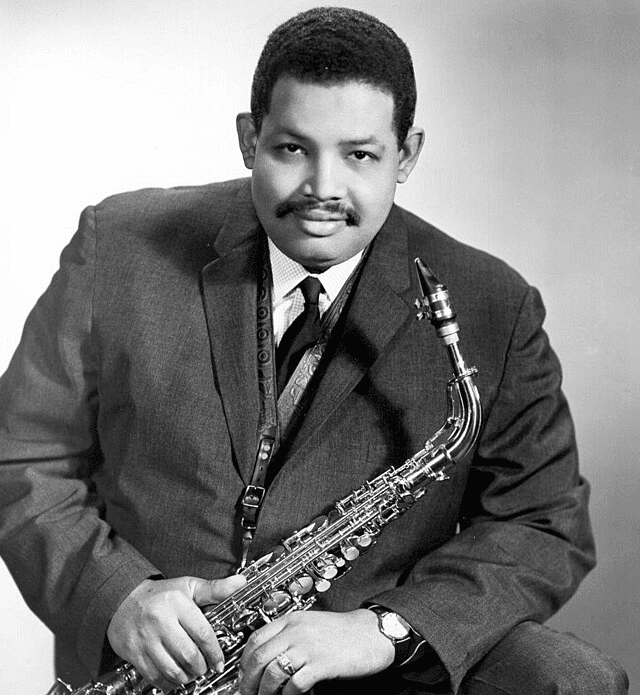
Recorded for Blue Note Records, the album captures a group of musicians playing elegant versions of blues and standards. Davis’s muted trumpet on “Autumn Leaves” is particularly memorable, while Adderley’s warm alto tone keeps the music grounded in melody.
The album is a good example of the accessible side of hard bop.
Mingus Ah Um — Charles Mingus (1959)
Charles Mingus combined the energy of gospel, blues and swing with ambitious compositions for larger ensembles.
Mingus Ah Um includes several of his most famous pieces, including “Better Get It in Your Soul,” “Goodbye Pork Pie Hat” and “Fables of Faubus.” The music shifts between structured arrangements and collective improvisation, creating a sense of movement and drama without becoming difficult to follow.
For many listeners, it’s the most approachable introduction to Mingus’s work.
Sunday at the Village Vanguard — Bill Evans Trio (1961)
Recorded live in New York’s Village Vanguard club, this album captures the Bill Evans Trio at a defining moment.
Evans worked with bassist Scott LaFaro and drummer Paul Motian in a trio that reshaped the role of each instrument. Rather than the pianist leading while the rhythm section accompanies, the three musicians interact constantly, responding to one another’s ideas.
The result is intimate, lyrical music that highlights the subtlety of jazz improvisation.
Moanin’ — Art Blakey & The Jazz Messengers (1958)
Art Blakey’s Jazz Messengers became one of the defining groups of the hard bop era.
Moanin’ includes several memorable themes, particularly the title track written by pianist Bobby Timmons. The music blends blues, gospel influences and strong rhythmic drive, creating an energetic but very approachable sound.
Blakey’s drumming provides constant momentum throughout the album.
Saxophone Colossus — Sonny Rollins (1956)
Sonny Rollins was already one of the most respected tenor saxophonists of the 1950s when he recorded Saxophone Colossus.
The album includes one of his best-known compositions, “St. Thomas,” inspired by Caribbean rhythms from Rollins’s family background. The combination of catchy themes and inventive improvisation makes the album easy to enjoy while also showcasing Rollins’s creativity.
It remains one of the defining tenor saxophone recordings.
Ella and Louis — Ella Fitzgerald & Louis Armstrong (1956)
Not all jazz albums centre on instrumental improvisation. Vocal recordings have always played an important role in the tradition.
On Ella and Louis, two of the greatest jazz singers recorded a collection of well-known standards together, accompanied by the Oscar Peterson Trio. Fitzgerald’s clear tone and Armstrong’s distinctive voice complement one another beautifully.
The familiar songs and relaxed atmosphere make this an inviting introduction to classic jazz vocals.
The Sidewinder — Lee Morgan (1964)
Trumpeter Lee Morgan recorded The Sidewinder for Blue Note Records during the mid-1960s.
The title track, built around a catchy groove and memorable riff, became an unexpected hit and helped introduce jazz to a wider audience. The rest of the album follows a similar approach, combining bluesy melodies with strong rhythmic feel.
It’s one of the most approachable albums of the hard bop era.
Head Hunters — Herbie Hancock (1973)
By the early 1970s, many jazz musicians were experimenting with electric instruments and influences from funk and rock.
Herbie Hancock’s Head Hunters became one of the defining albums of this period. Tracks like “Chameleon” feature synthesizers, strong bass lines and rhythmic grooves that feel familiar to listeners who enjoy modern popular music.
For newcomers, it offers a bridge between traditional jazz improvisation and contemporary styles.
The Köln Concert — Keith Jarrett (1975)
Keith Jarrett’s The Köln Concert is a solo piano recording captured during a live performance in Germany.
Rather than playing prepared compositions, Jarrett improvised long, flowing pieces on the spot. The music moves between lyrical passages, rhythmic grooves and repeated melodic patterns.
The recording became one of the best-selling solo piano albums ever released.
A Night at Birdland — Art Blakey (1954)
Recorded live at the famous Birdland club in New York, this album captures the energy of small-group jazz in performance.
The band includes Clifford Brown on trumpet and Lou Donaldson on alto saxophone. Audience reactions and the club atmosphere add to the sense of immediacy.
For someone curious about what jazz sounded like in a classic club setting, this recording provides a vivid example.
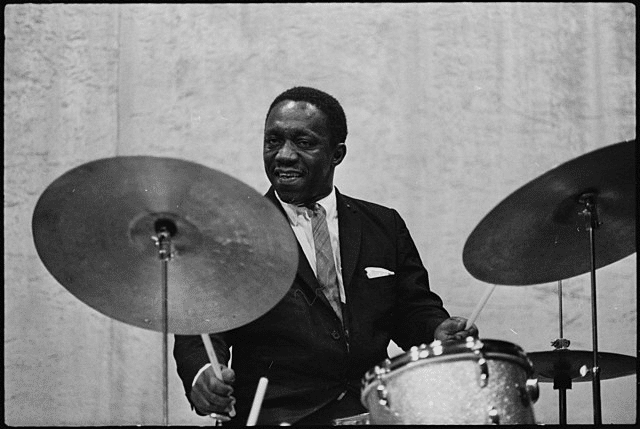
Black Radio — Robert Glasper Experiment (2012)
Jazz continues to evolve, and Robert Glasper’s Black Radio shows how the music connects with modern R&B and hip-hop influences.
The album features collaborations with singers and producers from across contemporary music, while still maintaining strong jazz improvisation.
For listeners coming to jazz from modern genres, it offers an accessible starting point.
Jazz For Beginners: Where Next?
Once you’ve explored a few of these albums, the next step is simply to follow the musicians you enjoy most.
Many jazz recordings share the same players across different sessions, so discovering a favourite saxophonist, pianist or trumpeter often leads naturally to other albums from the same period.
If you’d like to dive deeper into the history of the music, our guide to 50 of the Best Jazz Albums of All Time explores many of the recordings that shaped jazz across the twentieth century.
For beginners, though, the most important step is simply to listen widely — and see which sounds draw you in.
Like what you hear? Let us know your favourites in the comments section below!
Jim Hall- Concierto SACD especially track 4
Louis Armstrong and Duke Ellington DVD-A
Miles Davis- Someday my Prince Will Come MFSL ORG
Gerry Mulligan: The Age of Steam