

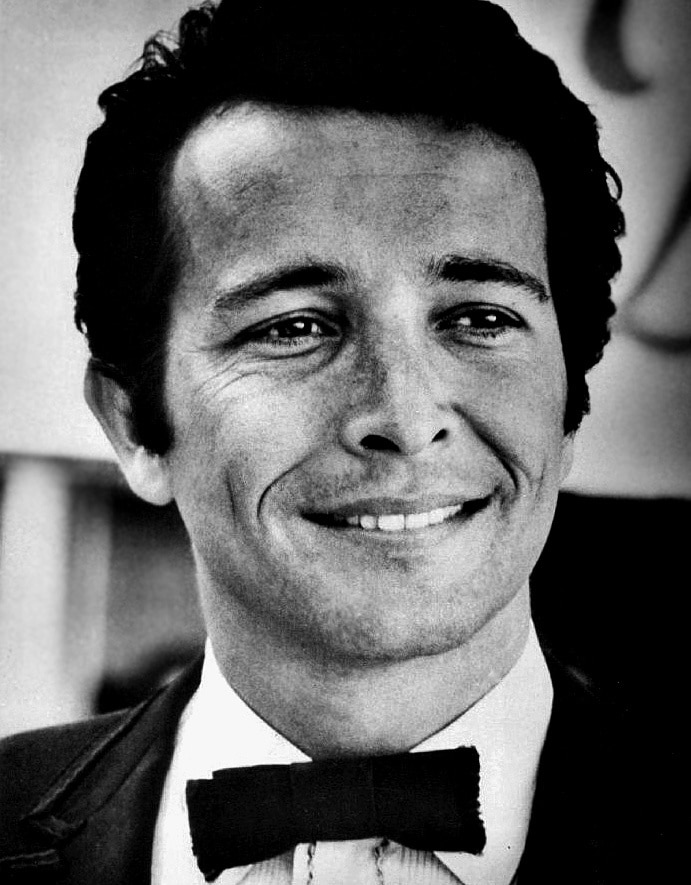
Join us as we turn our attenion to a musician from Los Angeles who built a musical empire; the life and career of Herb Alpert told through the lens of some of his greatest albums.
In the early 1960s, instrumental pop records rarely dominated radio charts. Vocal groups and rock bands were taking center stage, and big band jazz had already begun to fade from mainstream popularity. Yet one trumpet player from Los Angeles managed to build a recording empire almost entirely around instrumental music.
That musician was Herb Alpert. His recordings blended mariachi-inspired brass lines, pop songwriting, and studio polish into something that sounded both familiar and new. The formula proved enormously successful. By the mid-1960s, Herb Alpert albums regularly topped charts and sold in the millions.
The story of those recordings also connects to one of the most influential independent labels in popular music. Together with producer Jerry Moss, Alpert co-founded A&M Records, which would later release music by artists ranging from Sergio Mendes to The Carpenters.
Across Herb Alpert albums, the sound evolves from bright brass pop to more reflective studio work, but the defining quality remains the same: an instantly recognizable trumpet tone paired with careful production craft.
From Los Angeles Songwriter to Bandleader
Before forming the Tijuana Brass, Alpert worked primarily as a songwriter and studio musician. In the late 1950s he collaborated with lyricist Lou Adler, writing songs that were recorded by artists such as Sam Cooke.
The idea that would define his career arrived almost accidentally. Inspired by a visit to a bullfight in Mexico, Alpert experimented with overdubbing trumpet lines to simulate the sound of a brass ensemble. The result became the foundation of a new band concept: Herb Alpert & the Tijuana Brass.
The first recordings introduced a sound that felt festive, rhythmic, and slightly theatrical — perfectly suited to the emerging stereo era of the early 1960s.
The Beginning of the Sound: The Lonely Bull (1962)
Released in 1962, The Lonely Bull introduced the Tijuana Brass concept to audiences. The title track, built around mariachi-inspired rhythms and dramatic trumpet lines, became a surprise hit.
The album blends Latin rhythms with easygoing pop arrangements. Alpert’s trumpet tone remains clear and slightly bright, avoiding the aggressive edge associated with jazz soloists. Instead, the emphasis lies on melody and atmosphere.
Among early Herb Alpert albums, this recording established the template for what followed.
Expanding the Formula: South of the Border (1964)
By 1964, the Tijuana Brass sound had grown more confident. South of the Border expands the rhythmic palette with additional Latin influences while maintaining the accessible melodic style that made the first album successful.
The arrangements are slightly fuller, and the ensemble sound begins to feel more cohesive. Alpert’s trumpet often carries the main theme before giving way to rhythmic interplay among the band.
Breakthrough Popularity: Whipped Cream & Other Delights (1965)
Released in 1965, this album became one of the most recognizable instrumental records of the decade. The iconic cover image helped attract attention, but the music itself carried enormous appeal.
The arrangements combine playful energy with tight studio production. Tracks such as “A Taste of Honey” showcase Alpert’s ability to transform simple melodies into memorable instrumental hooks.
Among Herb Alpert albums, this remains the commercial high point of the Tijuana Brass era.
Chart Dominance: Going Places (1965)
Also released in 1965, Going Places continued the band’s chart success. The album includes “Spanish Flea,” a track whose cheerful trumpet melody would later become instantly recognizable through television and film.
The recordings emphasize rhythmic bounce and bright ensemble playing. Alpert’s trumpet lines glide easily above the band, maintaining a balance between pop accessibility and instrumental craftsmanship.
Refining the Style: What Now My Love (1966)
With What Now My Love, released in 1966, the Tijuana Brass sound reaches its most polished form. The arrangements feel richer and slightly more dramatic, reflecting the growing scale of the band’s popularity.
While still rooted in pop instrumentation, the performances show greater dynamic contrast and orchestral color.
Changing Musical Climate: The Beat of the Brass (1968)
By the late 1960s, rock and soul had transformed the musical landscape. The Beat of the Brass, released in 1968, reflects these changes by incorporating contemporary pop songwriting and broader production textures.
The album demonstrates Alpert’s willingness to adapt without abandoning the core identity of the Tijuana Brass.
A New Direction: Rise (1979)
After a quieter recording period in the 1970s, Alpert returned with Rise in 1979. The album represents a dramatic shift in sound, embracing smooth jazz and electronic production.
The title track became a major hit, introducing Alpert’s trumpet to a new generation of listeners. The groove-oriented arrangement and polished studio sound reflect the late-1970s jazz-fusion environment.
Among later Herb Alpert albums, this recording stands as a remarkable comeback.
Later Reflection: Keep Your Eye on Me (1987)
Released in 1987, Keep Your Eye on Me continues the smooth jazz direction established by Rise. The production features contemporary synthesizers and rhythm programming, while Alpert’s trumpet retains its warm melodic clarity.
Rather than revisiting the Tijuana Brass concept directly, the album explores a more modern studio sound.
A Listening Route Through Herb Alpert Albums
For listeners exploring his catalogue, these recordings provide a useful overview:
- The Lonely Bull (1962) — the birth of the Tijuana Brass sound
- South of the Border (1964) — expanding Latin-pop textures
- Whipped Cream & Other Delights (1965) — commercial breakthrough
- Going Places (1965) — chart-dominating instrumentals
- What Now My Love (1966) — refined orchestral arrangements
- Rise (1979) — smooth jazz reinvention
Together they illustrate how Alpert navigated changing musical trends while maintaining a distinctive trumpet voice.
Final Thoughts
Herb Alpert’s recordings occupy a unique place between jazz, pop, and studio experimentation. The Tijuana Brass albums of the 1960s brought instrumental music back to mainstream audiences, while later recordings explored the evolving landscape of smooth jazz.
Across Herb Alpert albums, the unifying element is the trumpet tone itself — clear, melodic, and instantly recognizable. Whether surrounded by mariachi-style brass or modern studio production, that sound remained the center of his musical identity.