

While some listeners dismiss Frank Sinatra as simply a pop icon, many of the greatest jazz artists recognise his influence on the genre. His phrasing, timing and control of a lyric set new standards for vocal interpretation. This guide to the most important Frank Sinatra albums shows why his place in jazz history is fully earned.
Frank Sinatra released more than 60 albums over six decades and his voice became one of the defining sounds of 20th-century popular music. From the tight swing of his Capitol years to the more reflective albums that came later, Sinatra’s recordings show a clear arc of artistic evolution.
Albums like In the Wee Small Hours, Songs for Swingin’ Lovers! and Only the Lonely are widely seen as career peaks, with each revealing a different side of him: intimate, confident, or unflinchingly emotional. His work with arrangers such as Nelson Riddle, Billy May, Quincy Jones and Count Basie set new standards for vocal jazz.
Sinatra wasn’t just a singer; he was a master interpreter of songs. His control, timing and phrasing turned familiar standards into personal statements.
These recordings continue to shape how the Great American Songbook is performed and understood.
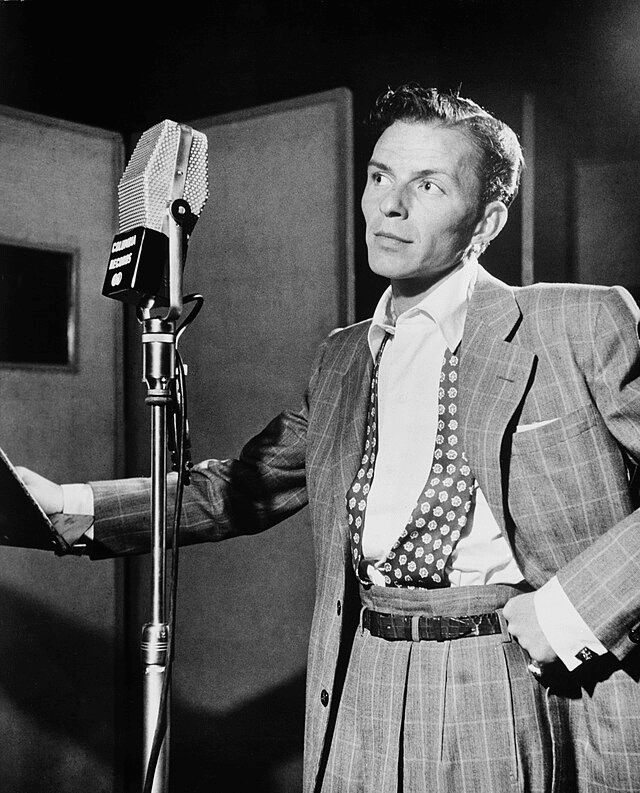
Iconic Albums by Frank Sinatra
With such a wide discography, any list can only scratch the surface, but these following recordings are widely regarded as his most well-known.
In the Wee Small Hours (1955)
Released in 1955, In the Wee Small Hours is often regarded as Frank Sinatra’s most influential album.
Instead of collecting hits, it followed a single emotional thread — quiet, introspective and direct. This structure made it one of the first true concept albums in popular music.
The record arrived during a difficult period in Sinatra’s personal life. Nelson Riddle’s spare arrangements left space for every breath and phrase.
The quiet intensity of his delivery gave listeners a sense of being let into something personal — a late-night atmosphere that still resonates today.
Key tracks:
- “In the Wee Small Hours of the Morning”
- “Mood Indigo”
- “Deep in a Dream”
The album proved that a vocal record could tell a story from start to finish. Its influence reached far beyond jazz and shaped how artists approached the album format for decades.
Just listen to those strings, too!
Songs for Swingin’ Lovers! (1956)
One year later, Sinatra recorded Songs for Swingin’ Lovers! — the opposite mood to Wee Small Hours. This was pure swing. Nelson Riddle’s arrangements were sharp, upbeat and full of energy.
Sinatra sounded loose, confident and perfectly in sync with the band. “I’ve Got You Under My Skin” became one of his defining performances, thanks in part to its dramatic instrumental build and perfect timing on the vocal return.
Other highlights include “You Make Me Feel So Young” and “Swingin’ Down the Lane.” The album remains a masterclass in phrasing and rhythm. It’s also one of the best examples of how Capitol’s production captured both voice and orchestra in perfect balance.
Come Fly With Me (1958)
With Come Fly With Me, Sinatra shifted from late-night mood and dance floor swing to something more playful. Billy May’s arrangements supported a travel-themed set that took listeners on a musical journey.
The title track became an instant standard. Songs like “On the Road to Mandalay” and “London by Night” offered a lighter concept album with clear character. May added touches of local musical colour to each arrangement without losing Sinatra’s sound.
Highlights:
- Sophisticated brass-driven arrangements
- International travel theme
- Balance of ballads and uptempo material
This was Sinatra presenting himself as a global star. It’s polished, confident and carefully structured from start to finish.
Sinatra at the Sands (1966)
Sinatra at the Sands captures him on home turf: Las Vegas. Recorded with the Count Basie Orchestra and arranged by Quincy Jones, it remains one of the most famous live albums of the 1960s.
The recording shows Sinatra at ease, joking with the crowd and leading the band through hard-swinging arrangements. Basie’s orchestra added a muscular, driving feel that contrasted with his studio work. It’s a reminder that he was more than a singer — he was a live entertainer with total command of the room.
The album’s chart success reflected his status at the time. It also preserved the sound of Las Vegas during its Rat Pack era.
Only the Lonely (1958)
Frank Sinatra Sings for Only the Lonely digs deeper into heartbreak than any other album in his catalogue. Nelson Riddle’s lush arrangements framed Sinatra’s voice in strings and muted horns, creating an intimate, cinematic sound.
Tracks like “Angel Eyes” and “Willow Weep for Me” show him at his most exposed. The sequencing is deliberate, moving through stages of loss and reflection. The technical control is striking — every breath and pause is measured.
This is often called his definitive torch album. It’s an essential listen for understanding his emotional range as a singer.
Other Notable Live Recordings
Sinatra’s live albums reveal as much about him as the studio sessions. Sinatra at Carnegie Hall documented a mature performer owning one of America’s most prestigious stages. His Australian tours in the 1970s showed a veteran comfortable with his legendary status.
The Concert Sinatra added full orchestral arrangements to his biggest hits. These recordings are a reminder of his longevity as a live performer and his ability to connect with audiences in different settings.
Duets
In the 1990s, Sinatra returned to the studio for the Duets albums, recording with artists from across genres. Performances with Aretha Franklin, Luciano Pavarotti and his daughter Nancy showed how adaptable his voice remained, even late in his career.
A Jolly Christmas From Frank Sinatra
Sinatra’s holiday albums became fixtures of American popular culture.
A Jolly Christmas from Frank Sinatra remains one of the most played festive albums of all time. He approached Christmas material with the same care he gave his core repertoire, which is why it continues to endure.
Noteworthy Collaborations and Their Impact
Any guide to the greatest Frank Sinatra albums wouldn’t be complete without talking about the partnerships they were built on. Working with Nelson Riddle, Quincy Jones and Count Basie shaped not just his sound, but the sound of mid-century American music.
Nelson Riddle and the Golden Era
Sinatra’s partnership with Nelson Riddle began in 1953. Riddle’s sophisticated arrangements gave Sinatra the perfect platform to reinvent himself. Together, they produced Songs for Swingin’ Lovers! and In the Wee Small Hours — two of the most acclaimed vocal albums ever made.
Riddle’s use of full string sections and big band swing became a trademark sound. Their collaboration redefined how classic standards could be arranged for a modern audience.
Quincy Jones and The Sands
When Sinatra performed at the Sands in 1966, Quincy Jones conducted and arranged for Count Basie’s band. Jones was just 32 years old, but his arrangements brought a fresh edge to Sinatra’s live sound.
The result was a recording full of energy and precision. Jones and Sinatra came from different generations, but their work together set new standards for live album production.
Sinatra and Count Basie
Sinatra’s sessions with the Count Basie Orchestra produced some of his most swinging recordings. Sinatra–Basie (1962) and Sinatra at the Sands are standout examples.
Basie’s band created a driving foundation for Sinatra’s vocals. The interplay between his phrasing and the rhythm section remains a reference point for big band vocalists.
The Enduring Legacy of These Frank Sinatra Albums
Frank Sinatra’s recordings shaped the way singers approach the Great American Songbook. His collaborations with arrangers like Nelson Riddle, Billy May and Quincy Jones remain models of craft and control.
The concept album format he helped pioneer influenced countless artists across jazz, pop and beyond. His phrasing and emotional delivery are still studied by vocalists today.
Numerous compilations have helped new audiences discover Sinatra’s work. Collections like The Very Good Years and The Collection bring together different eras of his career, from early big band sides to Reprise classics.
These releases keep his catalogue accessible and show how consistent his artistry remained across decades. Few singers have maintained that level of quality over such a long period.
Wrapping up Old Blue Eyes’ Greatest Albums
Frank Sinatra’s best albums are more than nostalgic landmarks. They’re carefully crafted works that shaped the modern idea of the album itself. Through collaborations with exceptional arrangers and orchestras, he turned popular songs into lasting art.
Whether it’s the intimacy of In the Wee Small Hours, the swagger of Songs for Swingin’ Lovers! or the energy of Sinatra at the Sands, these recordings continue to set the standard for how a vocalist can shape a song.
Looking for more? Check out our pick of 27 of the greatest Frank Sinatra songs of all time.