

Whether you’re already learning saxophone, or simply a fan who’s always dreamt of getting started, this complete guide to the saxophone has everything you need to know, from instrument types and tips, to the greatest players of all time…
Hello – Matt Fripp here.
I dreamt of playing the saxophone as a young kid and finally got my hands on one aged 14. The story almost ends there, though, because it was a beaten-up old instrument with a broken key…

Things worked out in the end (I’ll get to that a bit later…) and, in this guide, I’ve pulled together everything you could possibly need to know about how to play sax!
Soprano, alto, tenor or baritone, the saxophone is one of the easier musical instruments to get started with.
The keys were designed for easy, logical use, the mouthpiece is less complex than it’s orchestral counterparts and playing in tune with a good tone is feasible within a few practice sessions.
And, as an added bonus, they don’t have to cost a fortune either, with a whole world of budget saxophones out there for you to try out.
Basically, this single-reed member of the woodwind family is a good bet if you’re looking to learn a new instrument!
As well as diving into each of the 4 main types of saxophones, we’ll go through some basic considerations when planning to learn it, as well as some of the most trustworthy sax brands and recordings to check out.
And don’t think we’re going to miss out on all that history either!
We’ll talk about the man himself – Adolphe Sax who invented it the 1840s – and its journey from a niche orchestral instrument to the star of the jazz world.
Before that, though, if you’re simply looking for a tip on the best value sax for beginners, our pick (which we posted a video review of) is right here:
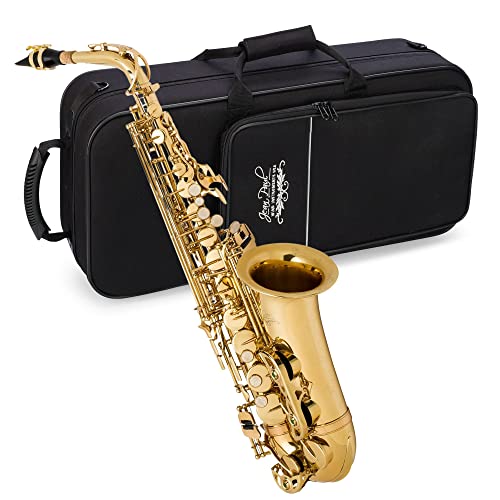
We had the Jean Paul sax compared to a $15,000 vintage horn... the result? Amazing value!
Anyway, for everyone else about how to play saxophone, read on…
Here’s what’s coming
Is the saxophone hard to learn?
The saxophone is one of the easiest instruments to learn.
The scales run up and down the keys, making it perfect for beginners or people who are switching from the piano or other woodwind instruments with similar technique.
The saxophone fingerings come almost as second nature, with the sound getting deeper as more holes in the instrument are covered in order from top to bottom.
There are four common types of saxophone to choose from when you’re getting started, plus a bunch of crazy ones that I’ll show you at the end of this article!
Alto and tenor saxes are the most common for beginners, for reasons we’ll go into below, but all four have their unique style and attractions, regardless of whether you’re a complete beginner or have been playing music a while…

How much does a saxophone cost?
You can find a good quality beginner saxophone for as low as $500. Less if you’re looking for a very cheap sax to see if you like learning it.
At the other end of the spectrum, a shiny new professional instrument can easily set you back $3,000+ whilst a rare vintage horn can get into 5-figures.
But now you have an idea of the range, let’s dig a little deeper into the specific options for you…
When it comes to buying a saxophone, you generally have two choices: new or second-hand.
And that ‘second hand’ option can be a tricky one, ranging from a pre-used budget sax from your local newspaper, to an in-demand vintage horn from the 1950s.
I’m sure you can guess which is the pricier!
In general though, your safest option as a total beginner is a brand new instrument, as it combines modern manufacturing with a guarantee that it will work!
How to play saxophone: Buying a new instrument
If you’re just getting started with playing sax, a new saxophone is the safest and easiest option.
Prices for brand new, factory-built saxophones are pretty consistent and you have the guarantee that it’s going to work exactly as it should.
Not to mention the fact you can order one today and have it delivered to your front door in as little as 24 hours, along with all the necessary saxophone accessories.
As with many things, you do get what you pay for to a certain extent.
A basic, beginner saxophone will allow you to get familiar with the instrument and start learning to play.
If this is your goal, you can find brand new alto saxophones – including all the basic accessories – for less than $400.

If you’re looking to buy an instrument with a little more longevity, you can find entry-level saxophones for under $1000 from more established names in the business, including Conn-Selmer, with their 711 alto sax and the Jean Paul’s 400 tenor sax, which we reviewed in detail here.
In our opinion, the best student saxophone available – in terms of price vs quality – is the Yamaha YAS-280.
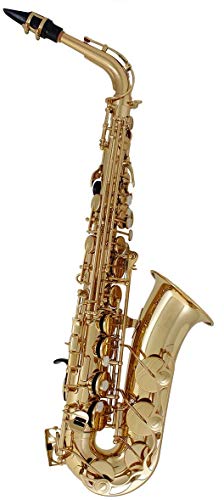
And, as you head up the pricing chart quite a bit, arguably the most popular sax brand for professional players is the legendary manufacturer Selmer Paris. Their Reference 54 & 36’s are an excellent modern instrument!
One thing to mention, though: despite what you might think, plastic saxophones are pretty much a think of the past and only worth considering if you’d buying a toy for a 3 year old!
Buying a vintage or second-hand saxophone
When it comes to vintage saxophones, things get a little more complicated, which is why it’s highly recommended to start with a new sax.
Whilst there are prices you’d expect to pay for each brand and model, these old horns are at a premium as they are usually not manufactured anymore.
The pricing is also affected by the nuances of their sound, which means you need to be extremely comfortable with playing saxophone to make that decision.
As an example, whilst you might find a good vintage horn for $5000, there are top quality vintage Selmer saxophones which have sold for as high as $40,000!
All that to say: if you’re buying vintage, make sure you try out the saxophone in person (or at least ask a pro to do it for you) and look at a few options before committing!
What about saxophone rental?
Sometimes, especially in the case of beginner children, it might be worth considering renting a saxophone.

It’s not a long-term solution, as those monthly payments start to add up very quickly, but if you’re really not sure it’s going to be a long-term hobby, it could be worth considering.
Sax rental costs can start as low as $40 a month, depending on the type of saxophone and where you’re hiring it from.
However, with brand new beginner saxophones costing less than $500, we feel it’s worth making the commitment. You can always sell them second-hand if you stop using it and buying a new sax online avoid the need to travel to a local store, go through the options and check out their rental agreement.
With all that said, here’s our rundown on the 4 main types of saxophone you might choose to start with.
Types of Saxophones
Whilst there are some more eccentric members of the saxophone family (including the massive contrabass and the beautiful but under-appreciated C Melody), there are four common ones that most beginner saxophone students choose:
- soprano sax
- alto sax
- tenor sax
- baritone sax
We’ve rounded up some key info on each, along with some recommended listening if you want to hear what the instrument sounds like…
NB: the order of the keys and the musical notes they correspond to are the same on every saxophone, which is why more advanced players generally switch between at least different instruments in the family.
Getting to know these ‘fingerings’ is an important starting point for every amateur saxophonist and you can download a free saxophone fingering chart here.
Learn Soprano Saxophone
Often straight (resembling a clarinet in shape), the soprano saxophone has one of the highest ranges of all saxophones and is the third-smallest member of the sax family, following the soprillo and sopranino.
It uses the same fingerings as any other saxophone, but the instrument is more difficult to keep in tune, which is why it’s rare for beginners to start with this.
It’s in the same key (Bb) as the tenor saxophone, which is why you often see sax players playing those two, ahead of baritone and alto – which are both in Eb.
Beginners who decide to choose a soprano saxophone may want to try a few different mouthpieces on their saxophone to find one that feels right and helps produce the best tone. If the tuning is an issue, it’s also worth trying different reed strengths. As a reminder, the lower numbers (such as #2) will be easier