

Earthy blues phrases. Gospel-inflected melodies. Tight, infectious grooves. Tunes that stay in your head long after the record stops.
If you listen closely to hard bop from the 1950s and early ’60s, certain fingerprints keep appearing. Very often, those fingerprints belong to Horace Silver.
More than almost any other pianist of his generation, Silver understood that modern jazz only truly works when melody, rhythm, and personality pull in the same direction. He could write sophisticated music that never felt academic — and grooves that never sacrificed musical depth.
Across three decades on Blue Note, he produced dozens of memorable compositions. But a smaller group of songs reveal most clearly why his influence still runs so deep.
Here are ten essential Horace Silver songs: recordings that define his sound as a composer, bandleader, and pianist.
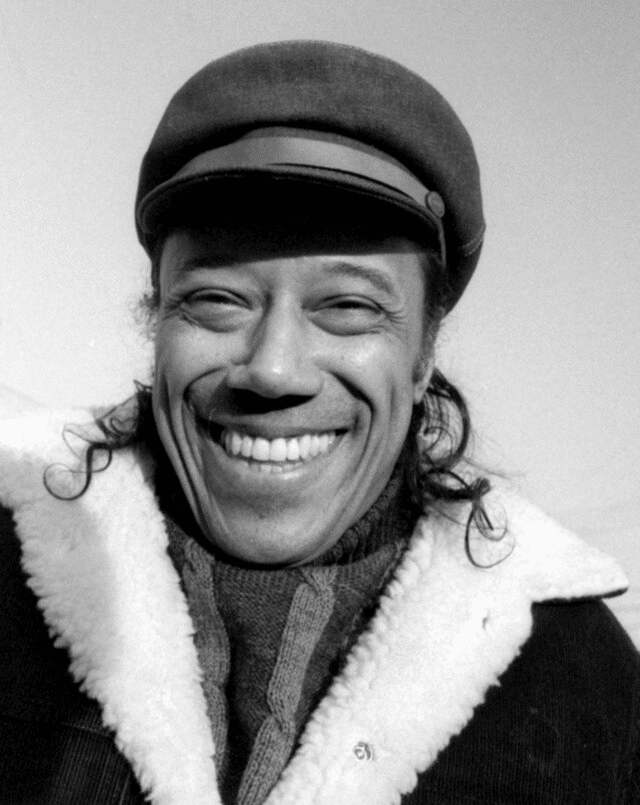
Opus de Funk (1954)
From Horace Silver Trio Vol. 2
One of Silver’s earliest statements as a composer, “Opus de Funk” already hints at where his music was heading.
Recorded with Art Blakey and Percy Heath, it blends swing-era elegance with a new rhythmic directness. It was also one of the first jazz compositions to use the word “funk” in its title — years before the term became widespread.
You can hear Silver beginning to prioritise groove and memorability alongside bebop harmony.
The Preacher (1955)
From Horace Silver and the Jazz Messengers
This was Silver’s first major hit.
Originally resisted by Blue Note’s Alfred Lion for sounding “too churchy,” “The Preacher” became one of the label’s biggest early successes. Its gospel call-and-response structure and cheerful melody made it instantly accessible.
With Kenny Dorham and Hank Mobley in the frontline, the performance balances sophistication with warmth — a formula Silver would refine for decades.
Doodlin’ (1955)
From Horace Silver and the Jazz Messengers
Recorded at the same sessions as “The Preacher,” “Doodlin’” shows Silver working more squarely within hard bop.
The relaxed shuffle rhythm and singable theme made it popular with other musicians, and it quickly entered the standard repertoire.
Here, Silver is still shaping his voice — but his instinct for strong material is already clear.
Señor Blues (1956)
From 6 Pieces of Silver
“Señor Blues” marked a leap forward.
The tune combines blues feeling with Latin-tinged rhythms and more complex structure. It also reflects Silver’s growing confidence as a composer.
With Donald Byrd and Hank Mobley on board, the recording shows how effectively Silver could write for specific personalities. Later, he even added lyrics and recorded it as a vocal.
Sister Sadie (1959)
From Blowin’ the Blues Away
By the end of the 1950s, Silver’s “classic” quintet was fully formed.
“Sister Sadie” is pure vintage Silver: finger-snapping rhythm, joyful theme, and perfectly balanced solos. Blue Mitchell and Junior Cook sound completely at home inside his musical world.
It’s one of the clearest examples of how Silver made hard bop feel natural rather than forced.
Peace (1959)
From Blowin’ the Blues Away
Not everything Silver wrote was driven by groove.
“Peace” is one of his most beautiful ballads — restrained, spacious, and quietly emotional. There are no obvious hooks, just a flowing melodic line that unfolds slowly.
Blue Mitchell’s trumpet and Silver’s understated piano create a sense of calm that remains deeply affecting.
The Tokyo Blues (1962)
From The Tokyo Blues
Written during Silver’s first tour of Japan, this tune reflects his openness to outside influences.
Built on a blues framework with subtle “Eastern” colour, it shows how he could refresh familiar forms without gimmicks.
Junior Cook’s solo here is especially strong — another reminder of how central his long-term collaborators were to Silver’s success.
Song for My Father (1964)
From Song for My Father
Silver’s most famous composition remains his most enduring.
Inspired by Brazilian music and dedicated to his father, the tune’s bossa nova rhythm and bass ostinato made it instantly recognisable. Its influence even reached pop, later echoing in Steely Dan’s “Rikki Don’t Lose That Number.”
Joe Henderson’s appearance on the album also marks a subtle shift toward a more modern harmonic language.
Lonely Woman (1964)
From Song for My Father
Not related to Ornette Coleman’s piece of the same name, this “Lonely Woman” is one of Silver’s finest trio recordings.
Stripped of horns and arrangements, the focus falls entirely on melody and touch. Silver’s economy — knowing exactly when not to play — is central to the performance.
It remains a favourite among pianists learning the art of understatement.
The Jody Grind (1967)
From The Jody Grind
By the mid-1960s, Silver’s groove writing had become tougher and more assertive.
“The Jody Grind” combines funky riffs with sharp ensemble writing and modern harmonic touches. Woody Shaw and Tyrone Washington bring a more aggressive edge to the frontline.
This is Silver as architect: designing music that moves bodies and minds at the same time.
Horace Silver’s Songwriting Legacy
Taken together, these recordings show why Horace Silver remains one of the most important composer-pianists in jazz history.
He absorbed bebop harmony, swing phrasing, gospel feeling, and blues structure — then distilled them into music that working bands could play night after night without losing freshness.
Critics often praised his “accessibility,” but fellow musicians understood the deeper truth: making music this direct, this balanced, and this durable is extraordinarily difficult.
Silver’s songs didn’t just support improvisation. They shaped it. They gave generations of players a framework where individuality could thrive inside strong design.
More than half a century later, these tunes are still being played for the same reason they were written: they work.
Looking for more? Check out our pick of the greatest hard bop albums, dig deeper into Song For My Father or read our guide to 6 essential Horace Silver albums.