
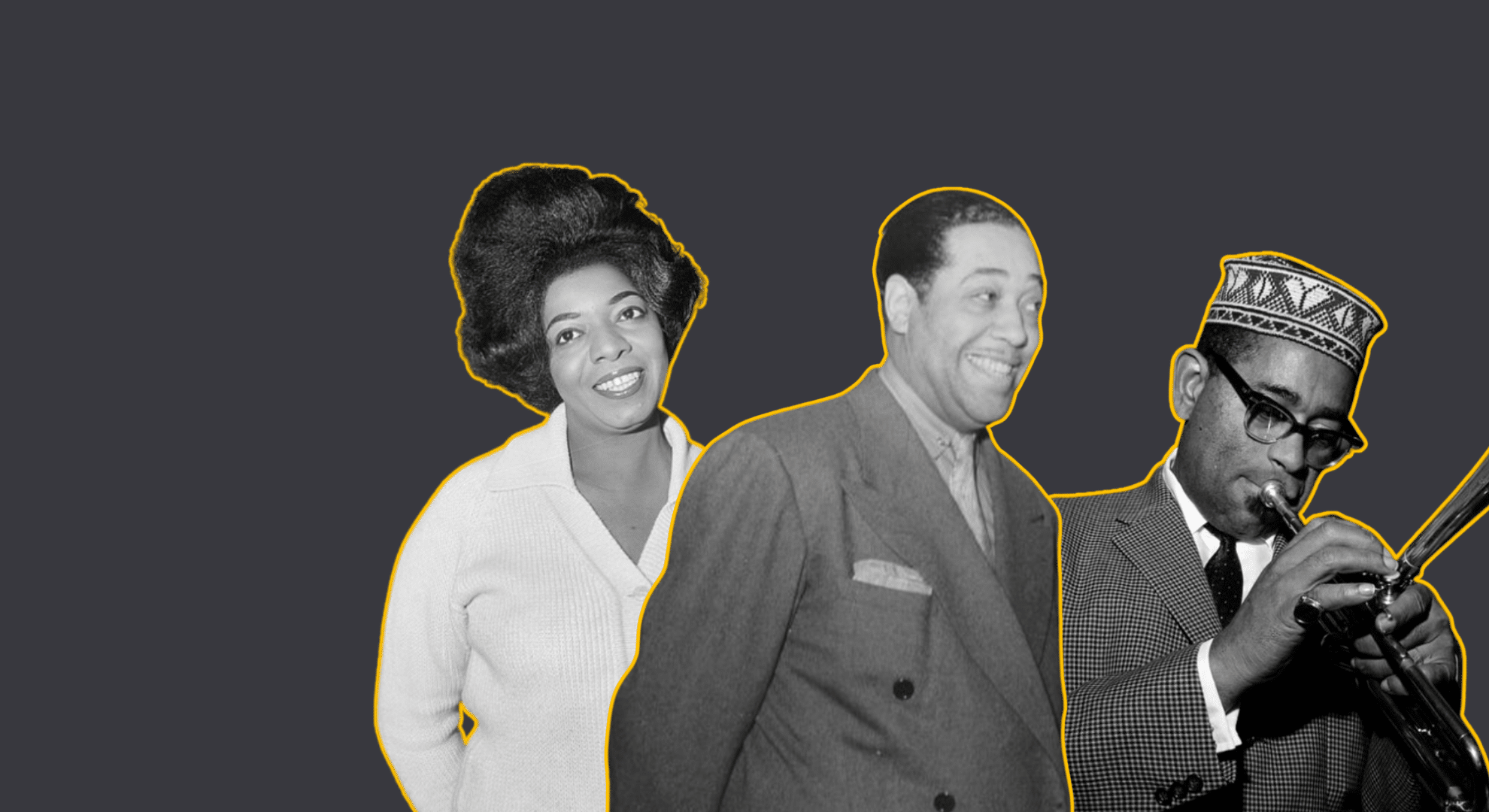
In the late 1950s, American television rarely gave jazz musicians the space to simply play.
Variety shows might feature a short performance or a novelty appearance, but extended improvisation — the heart of jazz — was seldom part of the format. That’s what makes the 1959 Timex All-Star Jazz Show so remarkable – as you’ll see on the video below.
Broadcast on CBS, the programme brought together an extraordinary group of musicians from across the history of jazz and placed them in a setting that felt closer to a club jam session than a tightly scripted television production.
What followed was one of the most unusual moments in early jazz television: a spontaneous gathering of some of the music’s most influential figures, all sharing the same bandstand.
The clip below captures part of that broadcast…
A Rare Kind of Jazz Television
The Timex All‑Star Jazz Show was one of several specials sponsored by the watch company Timex during the late 1950s.
Unlike the tightly choreographed entertainment programmes common at the time, these broadcasts were designed around live musical interaction. Jazz critic and producer Leonard Feather assembled the line-ups, bringing together musicians from different eras and stylistic backgrounds.
Instead of presenting a single band or orchestra, the show mixed players from various groups and traditions. Swing-era veterans, bebop innovators, and contemporary jazz performers shared the stage, often meeting in combinations that audiences had rarely seen before.
For viewers watching at home in 1959, it must have felt like stepping into an all-night jam session.
An Extraordinary Jazz Line-Up
The roster of musicians appearing in the 1959 programme reads like a condensed history of jazz.
Among them were towering figures such as Louis Armstrong, whose recordings in the 1920s had helped define the language of jazz improvisation, and Duke Ellington, whose orchestra had been shaping the sound of big-band jazz for more than three decades.
Alongside them stood other giants of earlier generations, including tenor saxophone pioneer Coleman Hawkins and the explosive swing-era trumpeter Roy Eldridge.
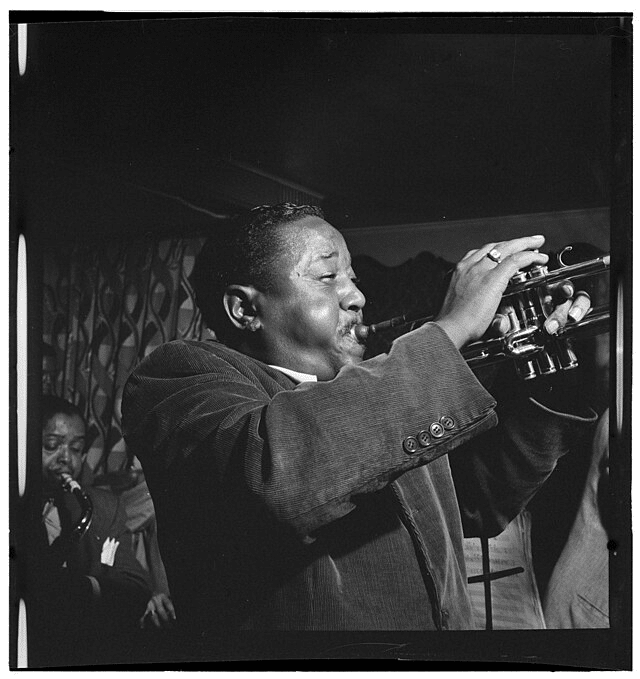
Representing the bebop revolution that had transformed jazz in the 1940s was Dizzy Gillespie, whose harmonic innovations and virtuosity had reshaped modern jazz.
The rhythm section included the influential drummer Jo Jones, whose work with Count Basie’s orchestra helped define swing-era timekeeping.
Also appearing were pianist George Shearing and trombonist Vic Dickenson, both known for their distinctive musical personalities.
The show also featured vocal performances from artists including Dakota Staton and Barbara Dane.
Seeing musicians of this stature sharing the same stage was unusual enough. Seeing them interact freely in a jam-session setting on national television was even more remarkable.
A Meeting of Jazz Generations
The late 1950s were a moment when several generations of jazz musicians were still active at the same time.
Armstrong and Ellington represented the music’s early development in the 1920s and 1930s. Hawkins and Eldridge had pushed the language forward during the swing era. Gillespie embodied the radical innovations of bebop in the 1940s.
By 1959, however, the music was evolving again.
That same year saw the release of several landmark recordings that would reshape the future of jazz, including Kind of Blue by Miles Davis, Time Out by Dave Brubeck, and The Shape of Jazz to Come by Ornette Coleman.
In other words, jazz was entering one of the most creative and transformative moments in its history.
The Timex broadcast therefore captured something unusual: musicians who had shaped earlier eras of jazz still performing and interacting just as the next wave of innovation was beginning to unfold.
Television and Jazz in the 1950s
Television exposure for jazz in the United States during the 1950s was inconsistent.
Major programmes like The Ed Sullivan Show occasionally featured jazz musicians, but performances were typically brief and framed within a broader entertainment format.
The Timex specials were different. They gave musicians more room to stretch out and interact, even if only for a short time by jam-session standards.
Although these broadcasts were not produced as historical archives, they have become valuable visual documents of jazz performance during the period.
Many performances from the 1930s and 1940s survive only in audio recordings. By contrast, television specials from the late 1950s began to capture the musicians themselves — their stage presence, their interaction, and the energy of live performance.
The Timex All-Stars on Film
Footage like this offers more than nostalgia. It provides a rare opportunity to see how these musicians actually interacted in performance.
Jazz history is often told through recordings and written accounts, but jam sessions like the one captured here reveal another side of the music: the spontaneous exchange of ideas between players who shared a deep understanding of the tradition.
Watching these musicians perform together on television in 1959 feels almost improbable today.
Yet for one evening, viewers across the United States were able to watch a gathering of jazz legends — not as historical figures, but as active musicians, sharing the stage and creating music in real time.
Watching the 1959 Jam Session
The clip above presents part of the 1959 Timex All-Star Jazz Show, featuring an extraordinary line-up of jazz musicians performing together live on television.
It remains one of the most fascinating surviving glimpses of jazz on American television during the 1950s.