

The tenor saxophone has always been an instrument of personality. Some players push it toward raw power, others toward lyrical warmth. When George Coleman emerged in the late 1950s, listeners immediately noticed the balance in his sound.
Coleman’s tone carried authority without aggression. His phrasing moved fluidly across complex harmonies, yet it remained rooted in blues and swing. That combination made him one of the most respected saxophonists of his generation, equally comfortable in small groups, big bands, and the groundbreaking ensembles of Miles Davis.
Across George Coleman albums as a leader, the focus often returns to melodic clarity. Even when navigating sophisticated harmonic structures, his improvisations maintain a conversational flow that makes the music feel direct and expressive.
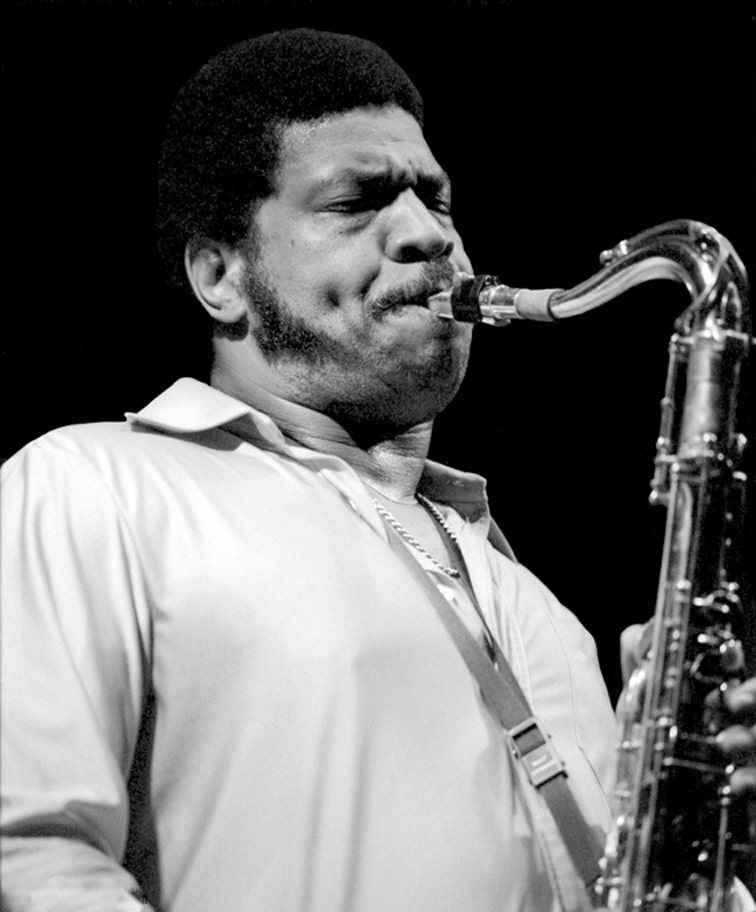
From Memphis Beginnings to the New York Jazz Scene
Born in Memphis, Tennessee in 1935, Coleman grew up in one of the most vibrant musical environments in the American South. The city’s clubs and dance halls exposed him to blues, rhythm and blues, and the emerging language of modern jazz.
During the late 1950s he began touring with prominent bandleaders, including drummer Max Roach. These experiences sharpened his improvisational vocabulary and introduced him to the national jazz circuit.
By the early 1960s Coleman had relocated to New York, where he quickly became a sought-after saxophonist. His tenure with Miles Davis between 1963 and 1964 further elevated his reputation, placing him inside one of the most influential jazz groups of the era.
While Coleman recorded extensively as a sideman, his own albums reveal a musician deeply committed to the tradition of hard bop and modern jazz composition.
Early Leadership Statement: Bongo Joe (1968)
Released in 1968, Bongo Joe marked one of Coleman’s first major recordings as a bandleader. The album blends blues-based themes with modern jazz arrangements, creating a relaxed yet focused atmosphere.
Coleman’s tenor sound remains warm and slightly husky, allowing his improvisations to unfold naturally. Rather than chasing dramatic climaxes, he develops ideas gradually, letting phrases evolve over several choruses.
Among George Coleman albums, this recording captures the saxophonist stepping confidently into a leadership role.
Hard Bop Continuity: Eastern Rebellion (1975)
One of Coleman’s most celebrated projects arrived in 1975 with the formation of the group Eastern Rebellion, featuring pianist Cedar Walton, bassist Sam Jones, and drummer Billy Higgins.
The album Eastern Rebellion showcases a quartet deeply rooted in the hard bop tradition. The performances combine strong melodic themes with extended improvisation, allowing each musician to contribute equally to the ensemble sound.
Coleman’s tenor playing remains central, moving easily between blues phrasing and sophisticated harmonic exploration.
Quartet Refinement: Eastern Rebellion 2 (1977)
Released in 1977, Eastern Rebellion 2 continues the collaboration with Walton and the rhythm section. The quartet sound grows even more cohesive here, with arrangements that emphasize group interaction.
Coleman’s solos demonstrate his trademark control of phrasing. Instead of rushing through rapid lines, he shapes each idea carefully, allowing space between phrases to maintain tension.
The recording stands as one of the defining entries among George Coleman albums.
Expanding the Quartet Legacy: Eastern Rebellion 3 (1979)
By 1979 the Eastern Rebellion ensemble had become one of the most respected acoustic jazz groups of the period. Eastern Rebellion 3 highlights the quartet’s ability to combine traditional swing with contemporary harmonic ideas.
Coleman’s tenor lines glide confidently over Walton’s piano voicings, creating a sense of conversation within the band. The rhythm section maintains a steady pulse while leaving room for spontaneous interaction.
Mature Leadership: Amsterdam After Dark (1978)
Although recorded around the same period, Amsterdam After Dark presents Coleman in a slightly different setting. The album emphasizes melodic standards alongside original compositions.
Coleman’s playing feels particularly relaxed here. His tone broadens, and his improvisations unfold with patient elegance rather than urgency.
Among George Coleman albums, this recording highlights the lyrical side of his musicianship.
Later Career Authority: George Coleman Octet (1989)
Released in 1989, this album introduces a larger ensemble format. The octet arrangements allow Coleman to explore richer harmonic textures while maintaining the improvisational freedom of smaller groups.
The writing reflects decades of experience within the jazz tradition. Brass and reeds interact in layered passages before opening space for solos.
Coleman’s tenor remains the focal point, guiding the ensemble through both energetic and reflective moments.
A Listening Route Through George Coleman Albums
For listeners discovering his work as a leader, these recordings offer a strong introduction:
- Bongo Joe (1968) — early leadership and blues-based modern jazz
- Eastern Rebellion (1975) — classic hard bop quartet
- Eastern Rebellion 2 (1977) — refined ensemble interaction
- Amsterdam After Dark (1978) — lyrical interpretations
- Eastern Rebellion 3 (1979) — mature quartet energy
- George Coleman Octet (1989) — expanded ensemble sound
Together they reveal a musician deeply connected to the evolving language of modern jazz.
Final Thoughts
George Coleman’s reputation often rests on his work with Miles Davis and other major bandleaders, yet his own recordings reveal a more complete picture. As a leader, he consistently favored melodic clarity and strong ensemble interplay.
Across George Coleman albums, the tenor saxophone becomes both storyteller and guide. His improvisations move between blues feeling and harmonic sophistication without losing their conversational character.
That balance explains why Coleman remains one of the most respected tenor voices of his generation — a musician whose recordings continue to reward attentive listening decades after they were first made.