
Charlie Parker – Albums, Songs & Stories
Charlie Parker (1920–1955) was the alto saxophonist who defined bebop — transforming jazz harmony, rhythm and improvisation in a career that lasted barely a decade but permanently raised the bar for every musician who followed.
In a career lasting barely a decade, he developed a harmonic vocabulary and improvisational speed that no one had heard before — and that musicians are still absorbing today.
If you’re starting from scratch, the best place to begin is this guide to essential Charlie Parker albums — specifically the Savoy and Dial recordings from 1945–1948, where bebop was effectively invented.
From there, these trailblazing Charlie Parker songs fill in the picture: Ko-Ko, Ornithology, Donna Lee… tunes that redefined what the saxophone could do.
Before you contine, though, take a look at one of the very few Charlie Parker videos in existence!
Who Was Charlie Parker?
Charlie Parker (1920–1955) was an American alto saxophonist and composer, born in Kansas City, Kansas. He is widely considered one of the most influential musicians in jazz history — the primary architect of bebop, the style that transformed jazz from popular dance music into a serious art form.
Parker came up through the Kansas City jazz scene in the late 1930s, where he absorbed the blues and swing traditions that would underpin everything he later did. By the mid-1940s, working alongside Dizzy Gillespie in New York, he had developed a radically new approach to improvisation — faster tempos, complex chord substitutions, and melodic lines of a speed and invention that left other musicians struggling to keep up.
His peak recording years were 1945–1951, when he made the Savoy and Dial sessions that defined bebop. Tunes like Ko-Ko, Ornithology, and Donna Lee became the new standard repertoire — studied and played by jazz musicians to this day.
Parker died in 1955 aged 34, his health destroyed by heroin addiction and alcoholism. The doctor who examined him estimated his age at 50–60. He left behind a recorded legacy of barely a decade, and a influence on jazz that has never faded. When musicians in New York heard the news, someone chalked “Bird Lives” on a wall in Greenwich Village. The phrase stuck.
Charlie Parker: Go Deeper
The stories below go further: why he was called Bird, what happened the night Jo Jones threw a cymbal at him, how he ended up playing a plastic saxophone on American television, and what his early years looked like before he became a legend.


Jazzfuel Pick:
Charlie Parker Compilations
If you want Charlie Parker on CD, these three compilations cover the essential ground.
The Millennium Collection is the clearest entry point — broad enough to show the range, focused enough not to overwhelm.
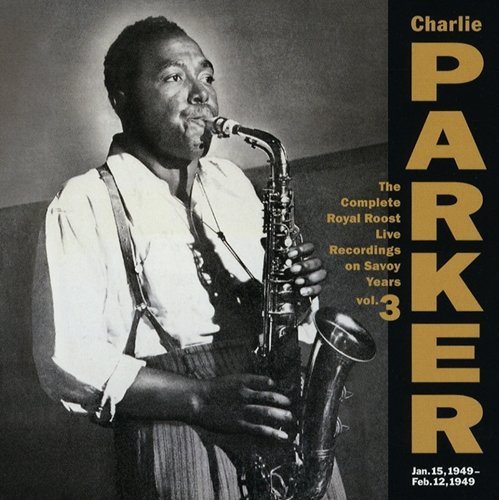
The Royal Roost recordings capture him live and in full flight, which is where his real genius comes through.
The Small Group Sessions shows a different side: more relaxed, more conversational, and often overlooked.


Want the best jazz stories into your inbox?
Join 15,000+ serious jazz fans getting the free weekly email full of the best stories in jazz…