
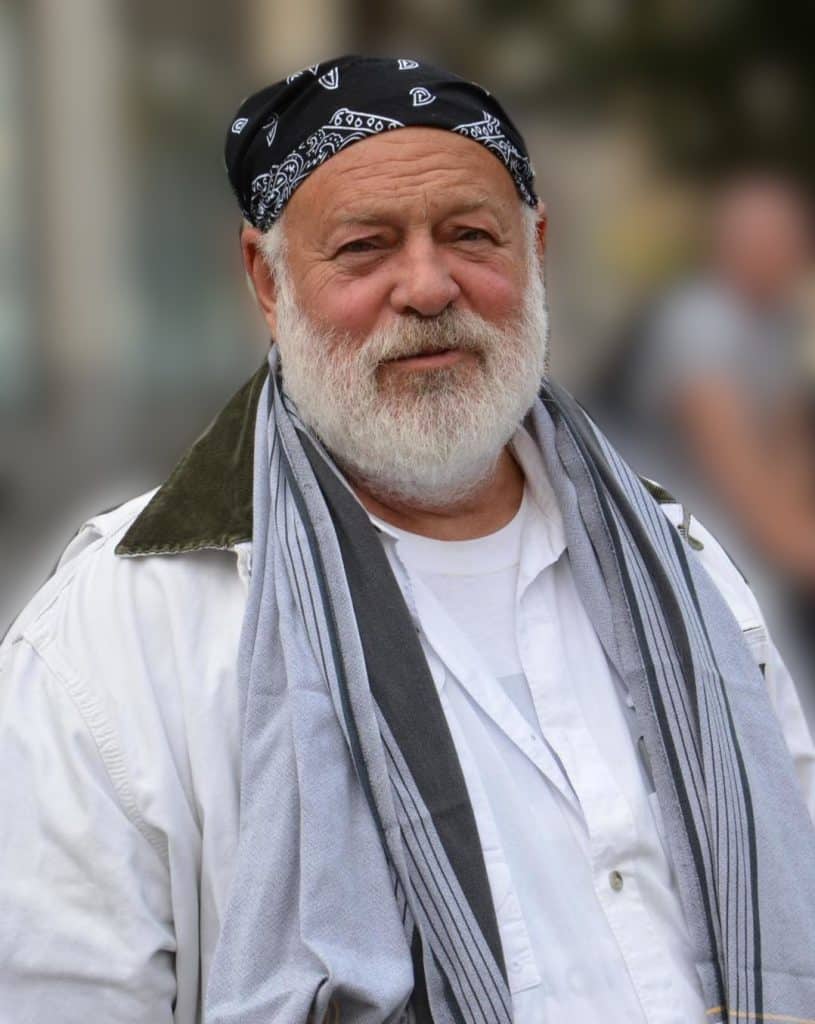
Bruce Weber met Chet Baker for the first time in the winter of 1986, at a club in New York. Baker was 56, wrecked by three decades of heroin, and still playing. Weber, a fashion photographer who had spotted Baker’s face on the cover of a 1955 record sleeve when he was 16 years old, asked if he could shoot some photos and put together a short film — three minutes, maybe, built around an Oscar Levant song called “Blame It on My Youth.”
That three-minute idea became Let’s Get Lost, a feature-length documentary that took over a year to shoot and turned into one of the most acclaimed jazz films ever made. It also became something neither man intended: Baker died four months before it was released.
Shot in Black and White, Built Out of Contradictions
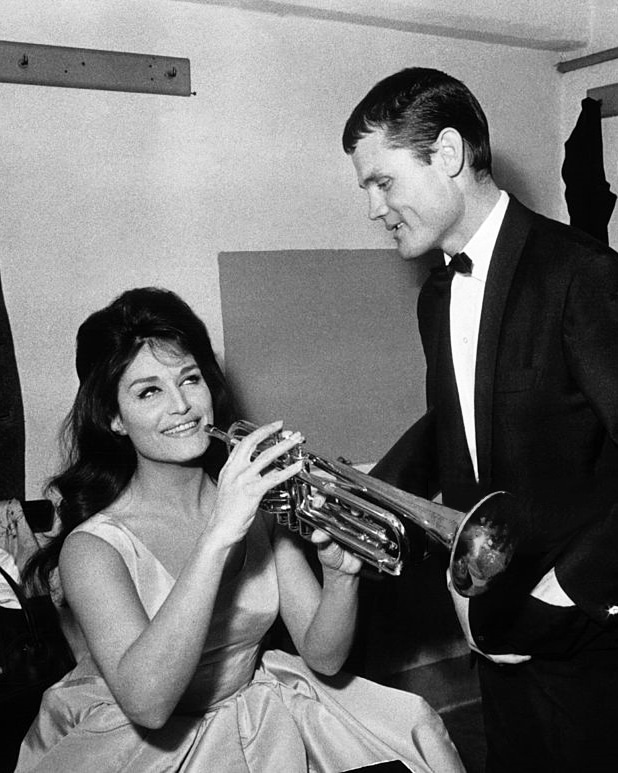
Weber filmed Let’s Get Lost largely in Los Angeles and Europe — the two poles of Baker’s touring life by the 1980s — with a stop in his hometown in Oklahoma. He shot it in black and white, and he didn’t build it as a straight biography. Instead the film moves back and forth between archive footage of Baker in the 1950s, when he looked like a cross between James Dean and a Pacific Records album cover, and footage from 1987, when he looked like neither.
The people who knew him don’t agree on much. Ex-wives, girlfriends, children and old collaborators all appear on camera, and their accounts of Baker contradict each other constantly — sometimes within the same interview. Baker himself doesn’t help. Asked about his past, including the well-worn story of how he lost his front teeth in 1966, he gives a different version depending on who’s asking and when. Weber doesn’t try to resolve any of it. He just leaves the contradictions sitting there, which is part of why the film still holds up.
A Trumpet Player Who Never Stopped Playing
What the film gets right, more than any of the surrounding mythology, is that Baker was still working. Despite everything, he’d remained an active touring musician throughout Europe right up to the end, and his sound had changed — quieter, sparer, more deliberate than the effortless cool of his 1950s records. Weber captures him mid-performance more than once, and the gap between the frail man on screen and the sound coming out of the trumpet is the whole film in miniature.
The Ending Nobody Saw Coming
Filming wrapped in 1987. On 13 May 1988, Chet Baker died after falling from the second-floor window of the Hotel Prins Hendrik in Amsterdam. He was 58. Drugs were found in his room, and the official finding was accidental death from the fall — but whether it really was an accident, or something else, has never been settled.
Weber and his team had already finished shooting. What they hadn’t finished was a film about a living musician. Every scene changed meaning overnight.
The Oscar Nomination That Didn’t Change the Outcome
Let’s Get Lost premiered later in 1988, won the Critics’ Prize at Venice, and picked up a nomination for the Academy Award for Best Documentary Feature. It didn’t win. It didn’t need to. The nomination put Baker’s name in front of an audience who’d never have found their way to a Chet Baker record otherwise, and it’s stayed there ever since — routinely cited as one of the best documentaries ever made about a musician, jazz or otherwise.
Why It Still Matters
By the time Weber started filming, Baker’s reputation had split into two stories that rarely touched: the beautiful young trumpet player from the Gerry Mulligan years, and the addict who’d spent decades cycling through prisons, hospitals and half-finished comebacks. Let’s Get Lost didn’t try to reconcile the two. It just put them side by side and let the audience sit with the discomfort of that.
More than three decades on, it’s still where most people start with Chet Baker — not because it explains him, but because it doesn’t pretend that he can be explained.